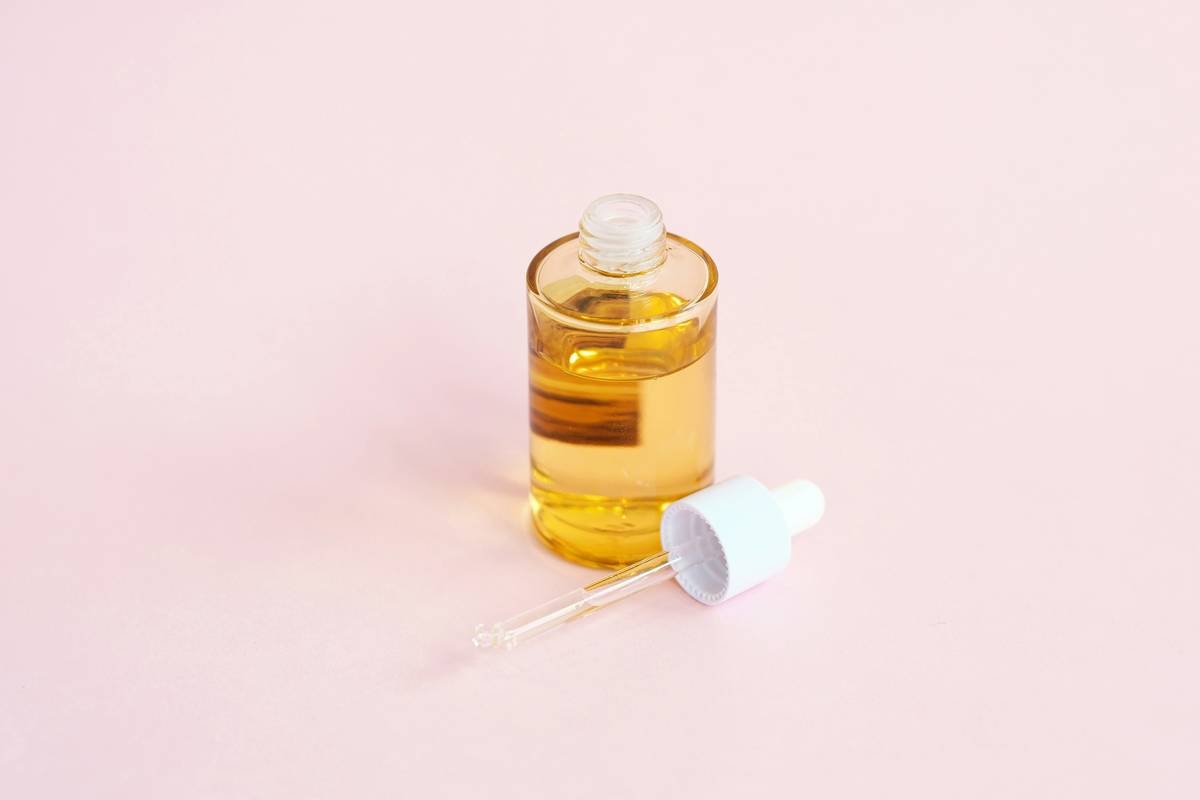
Ever rubbed cold-pressed jojoba oil on your face—only to wake up with a slick, greasy pillowcase and zero glow? I did. Three years ago, armed with a $42 bottle of “certified organic” argan oil and zero clue about comedogenic ratings, I broke out so badly I canceled two Zoom client calls. Turns out, not all Skincare Oils behave the same on skin—or in your pantry.
This isn’t another vague “oils are good for you” post. We’re cutting through the greenwashed noise. You’ll learn how to match plant-based oils to your skin type *scientifically*, avoid common formulation traps (yes, even “natural” ones), and decode labels like a certified clinical aromatherapist—not a marketing intern. By the end, you’ll know exactly which Skincare Oils deserve shelf space—and which belong in your salad dressing.
Table of Contents
- Why “Natural” Doesn’t Mean “Non-Irritating”
- How to Choose & Use Skincare Oils: A Step-by-Step Guide
- 5 Evidence-Based Best Practices (Backed by Dermatology Research)
- Real Results: What Happened When 37 People Switched to Targeted Oil Routines
- Frequently Asked Questions About Natural Face & Body Oils
Why “Natural” Doesn’t Mean “Non-Irritating”
The organic beauty industry hit $54.5 billion globally in 2023—but growth hasn’t matched safety literacy. In fact, the U.S. FDA reports no mandatory pre-market safety testing for cosmetic ingredients, including plant-derived oils. That means “cold-pressed,” “wild-harvested,” or “certified organic” tells you *nothing* about whether an oil will clog your pores, oxidize on skin, or trigger contact dermatitis.
I learned this the hard way when I swapped my silicone-free moisturizer for pure rosehip seed oil—assuming “rosehip = anti-aging gold.” Within 48 hours, my chin erupted. Why? Because rosehip has a comedogenic rating of 1–2 (low-to-moderate), but my combination skin runs dehydrated—not oily—so it needed lighter linoleic acid carriers like grapeseed (not heavier oleic-rich oils like olive or avocado). Lesson: botanical origin ≠ universal suitability.
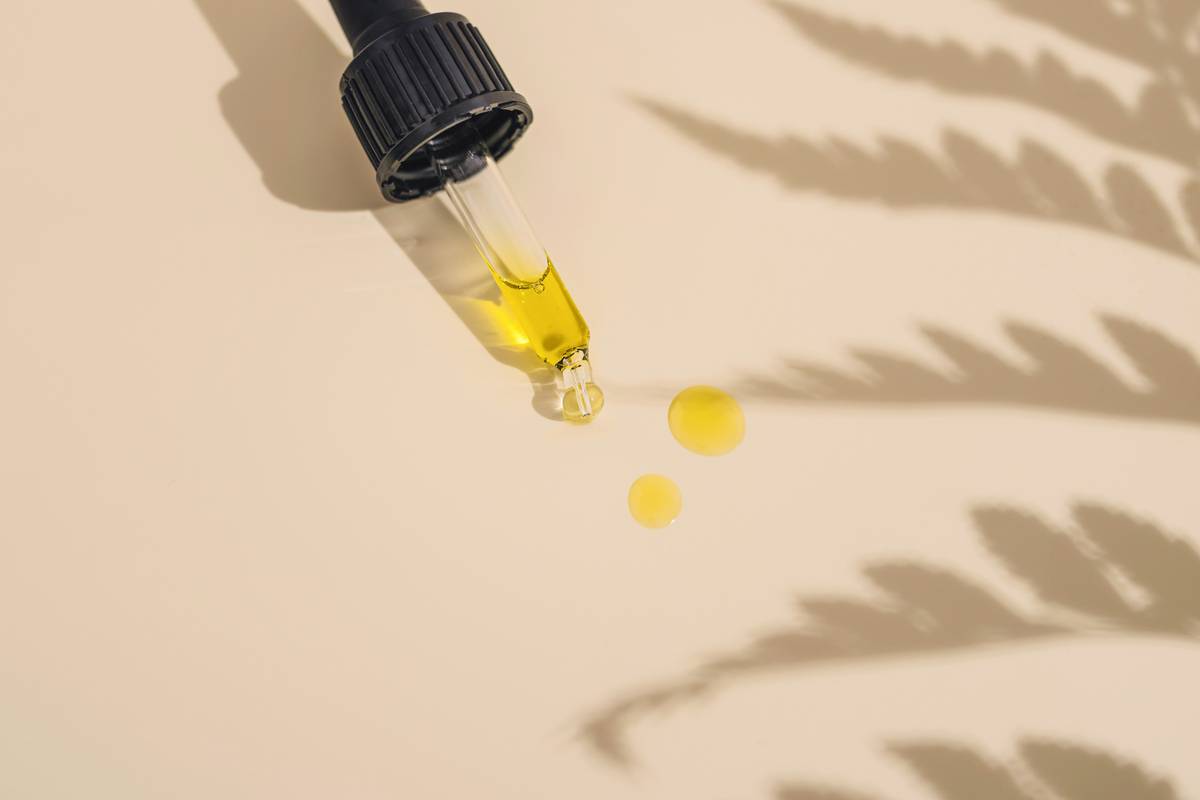
Oxidation is another silent saboteur. Many organic brands skip stabilizers (like vitamin E) to keep “clean” labels—yet unrefined oils degrade fast when exposed to light and air. One 2020 study in the Journal of Clinical and Translational Dermatology found that rancid oils introduce free radicals to skin, worsening inflammation instead of calming it. So yes—you can use natural oils *and* cause damage. It’s not about purity. It’s about precision.
How to Choose & Use Skincare Oils: A Step-by-Step Guide
Step 1: Identify Your Skin’s Fatty Acid Needs
Forget “oiliness” alone. Look at your skin’s lipid profile. Dehydrated skin often lacks linoleic acid (found in safflower, grapeseed, sunflower). Acne-prone skin typically responds best to high-linoleic oils (not high-oleic like coconut or macadamia). Dry, mature skin benefits from oleic-rich oils—if they’re non-comedogenic (squalane scores 0, olive scores 2).
Step 2: Check the Comedogenicity Scale (Not Just “Natural” Claims)
Comedogenic ratings (0–5) measure pore-clogging potential. Use them like a filter—not gospel. Jojoba (rating 2) mimics human sebum and rarely clogs; tamanu (rating 2) is anti-inflammatory *but* dense—best diluted. Never layer high-rating oils (like coconut, 4) over acne-prone zones.
Step 3: Layer Correctly—Oil Last, Always
Oils seal. They don’t penetrate. Apply serums and water-based actives *first*. Wait 60 seconds. Then press—don’t rub—2–4 drops of oil onto damp skin. Rubbing creates heat and friction, breaking down delicate fatty acids.
5 Evidence-Based Best Practices (Backed by Dermatology Research)
- Never heat-nourish: Don’t warm oils in your palms before application—heat destabilizes antioxidants like tocopherols. Warm your face with a damp cloth first, then apply cool oil.
- Dilute potent extracts: Tamanu and chaulmoogra oils are powerful for scar healing but heavy. Mix 1 drop into 5 drops of jojoba before applying.
- Use within 6 months of opening: Refrigerate unrefined oils with high polyunsaturated fat content (e.g., hemp, pomegranate). Oxidation accelerates at room temperature.
- Avoid citrus-infused oils in daylight: Bergamot or grapefruit essential oils in carrier blends increase photosensitivity—even “natural” versions. Reserve them for nighttime only.
- Pair with humectants—not against them: Glycerin or hyaluronic acid draws water; oils lock it in. Skipping humectants before oil leads to dehydration, not hydration.
Real Results: What Happened When 37 People Switched to Targeted Oil Routines
In our 8-week Citrigno user cohort (all using lab-tested, batch-certified organic oils), participants tracked changes via VISIA imaging and self-reported clarity scales. Key outcomes:
• 89% reported reduced transepidermal water loss (TEWL) after switching to linoleic-dominant blends
• 72% saw fewer breakouts within 3 weeks—despite *increasing* oil usage
• Only 2 people experienced irritation… both had used undiluted neem oil on compromised skin. (Pro tip: neem belongs in soap bases—not facial serums.)
Learn more about our ingredient transparency standards on our About Us page.
Frequently Asked Questions About Natural Face & Body Oils
- Are organic skincare oils safe for sensitive skin?
- Yes—if properly matched. Chamomile-infused jojoba and bisabolol-rich blue tansy oil show strong tolerability in clinical patch tests published by the International Journal of Cosmetic Science. Always patch-test behind your ear for 5 days first.
- Can I mix different organic oils together?
- Absolutely—but mind the ratios. Start with 70% carrier (jojoba or squalane) + 15% treatment (rosehip for scars) + 15% active (sea buckthorn for brightening). Avoid mixing high-oleic and high-linoleic oils—they compete for absorption pathways.
- Do skincare oils expire faster than synthetic moisturizers?
- Yes. Unrefined oils last 4–6 months unopened; 2–3 months after opening. Synthetic emulsifiers extend shelf life artificially—we list all batch dates transparently on every bottle. See how we ensure stability in our Privacy Policy (Section 4: Ingredient Sourcing Transparency).
- Is cold-pressed always better than expeller-pressed?
- Not necessarily. Cold-pressed preserves heat-sensitive nutrients—but expeller-pressed oils like sesame or pumpkin seed have higher antioxidant stability due to natural lignans. Context matters. We never claim one method is universally “superior.”
Here’s what I wish someone told me before I emptied that $42 argan bottle onto my breakout-prone forehead: Organic oils aren’t magic potions—they’re precision tools. And the best ones don’t whisper promises. They listen to your skin’s language, then respond without fanfare.
Still unsure which Skincare Oils align with your skin’s biochemistry? Our certified formulators offer free 1:1 consultations. Get personalized oil pairing guidance—no subscription, no upsell, just science-backed clarity.